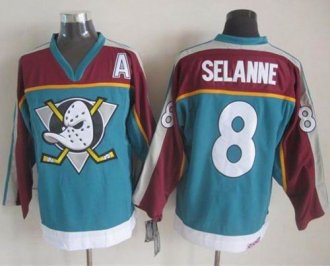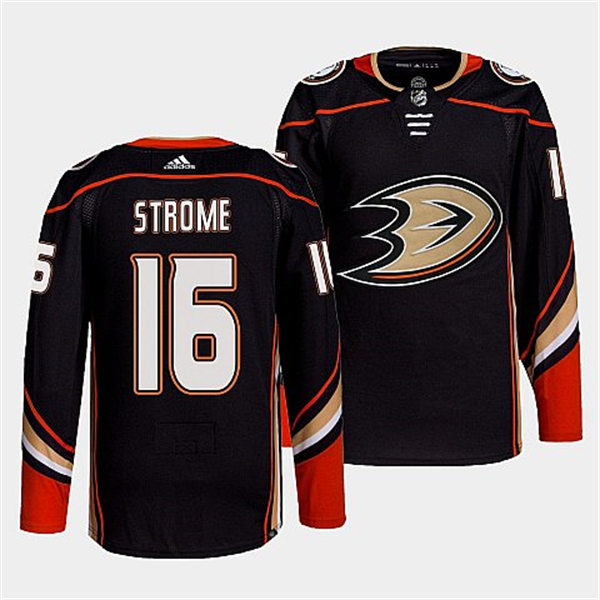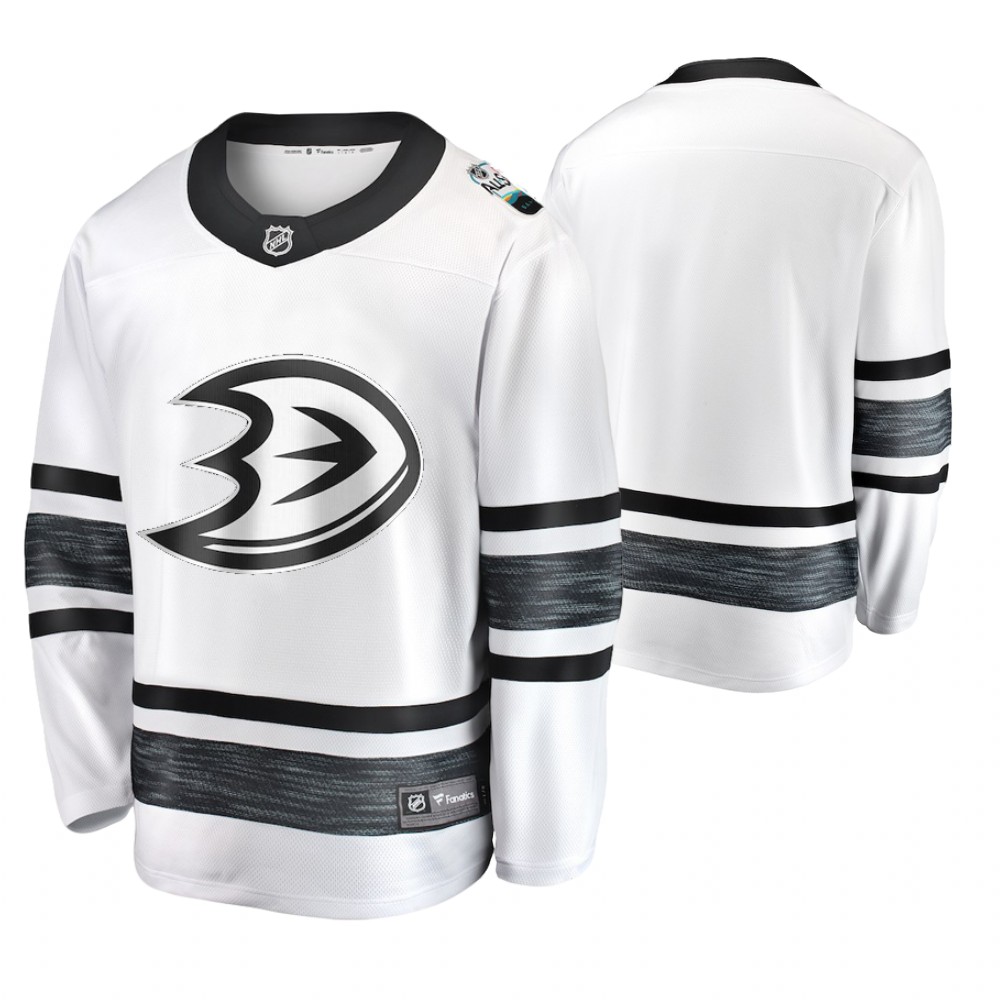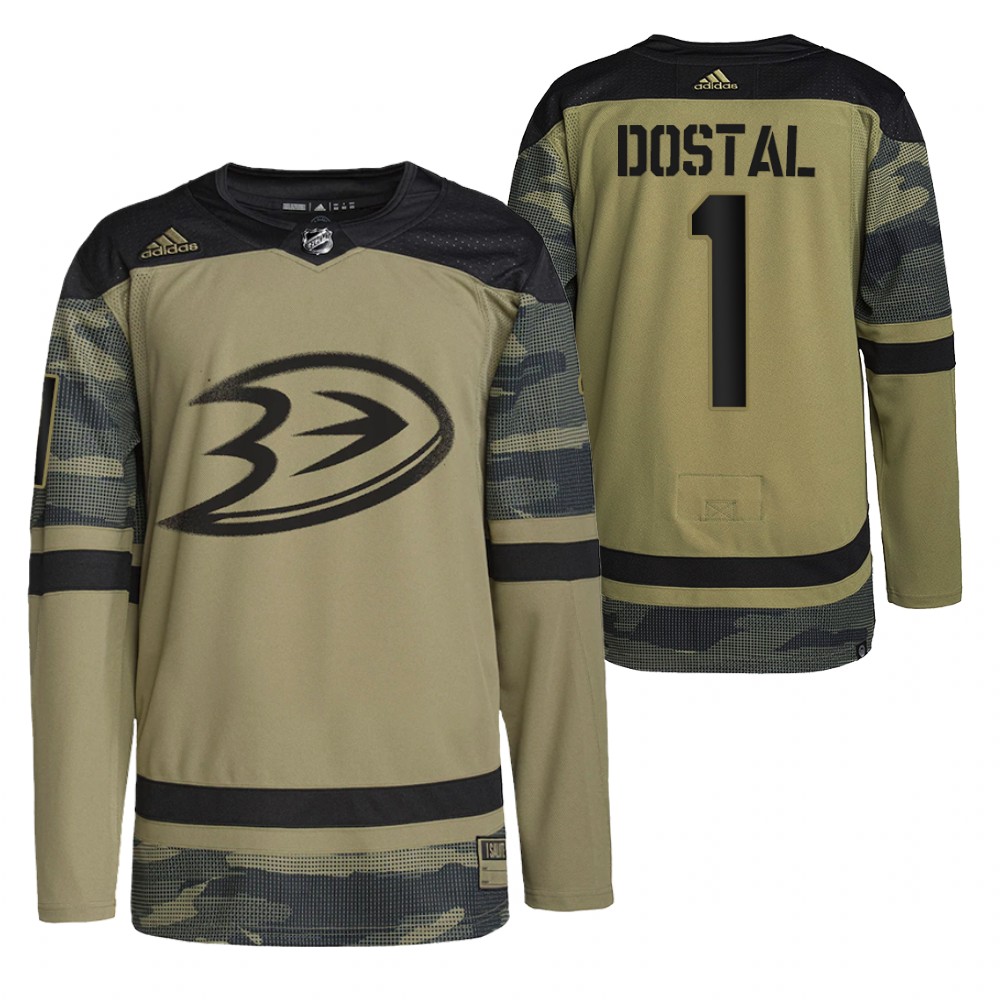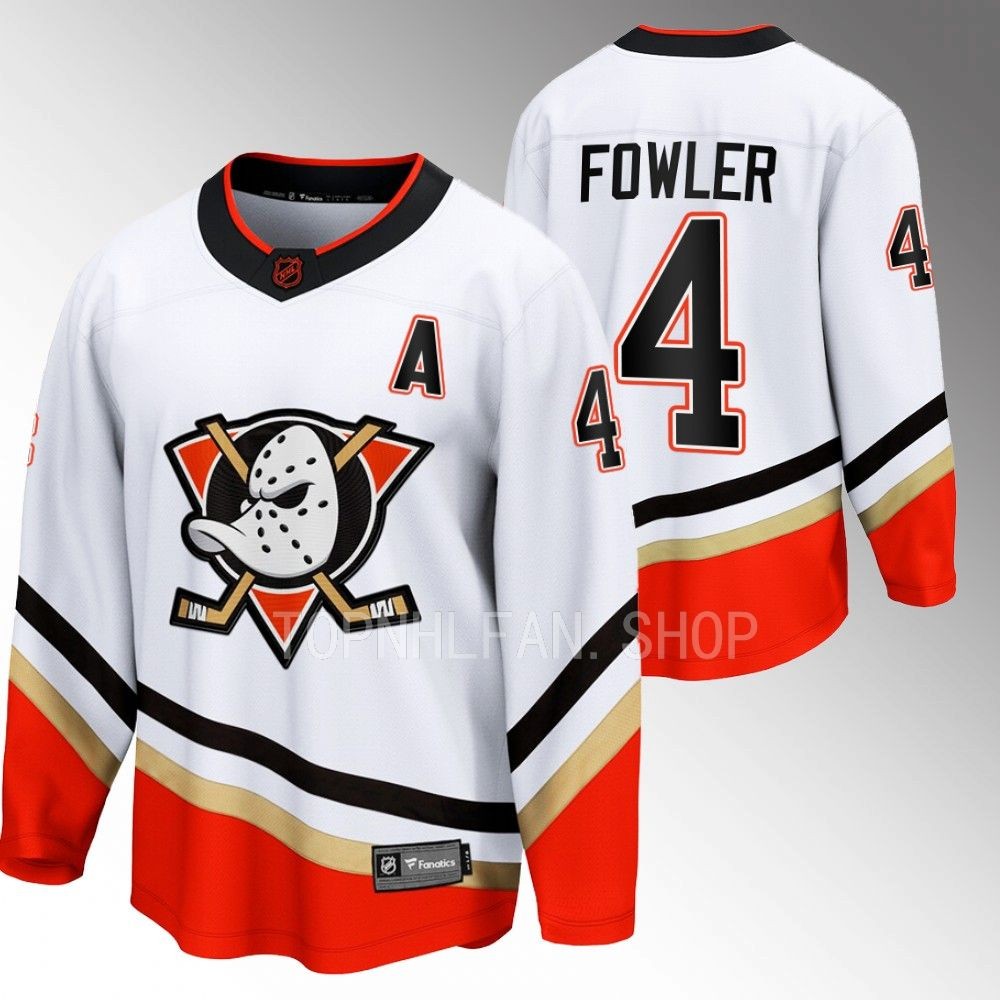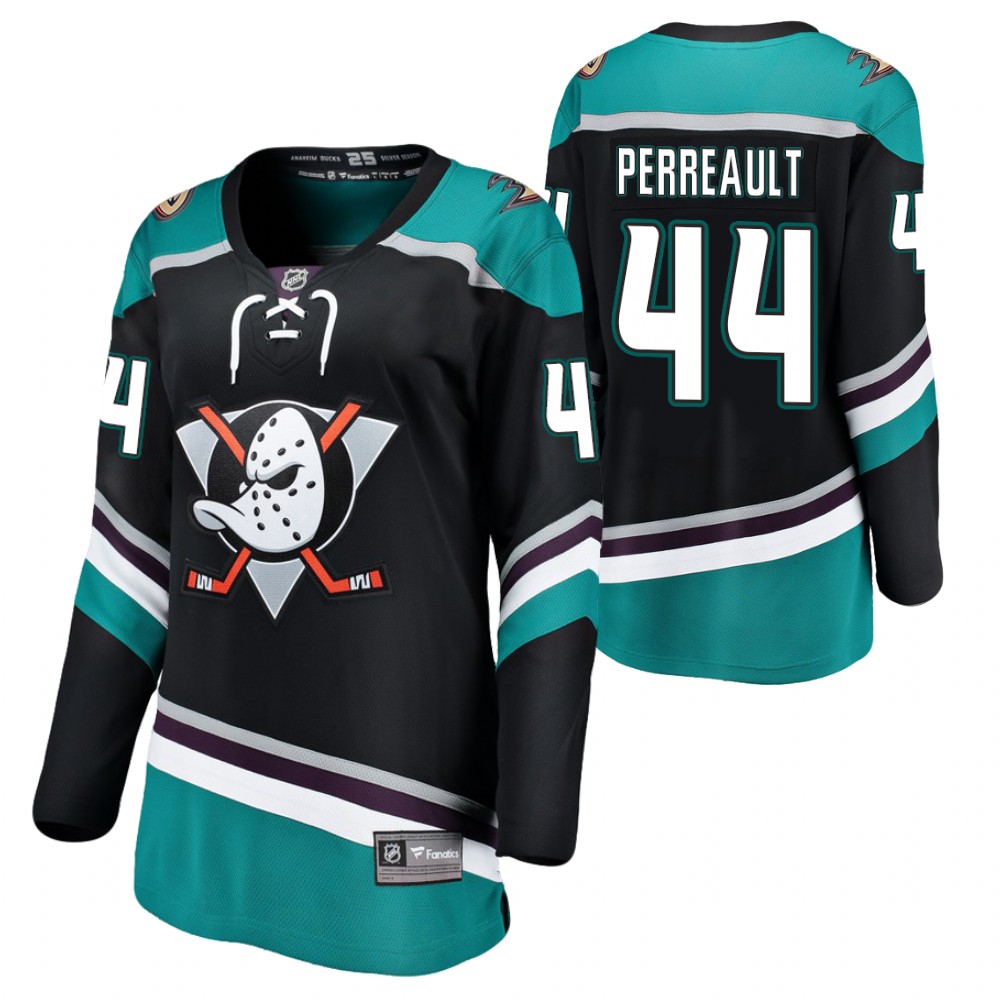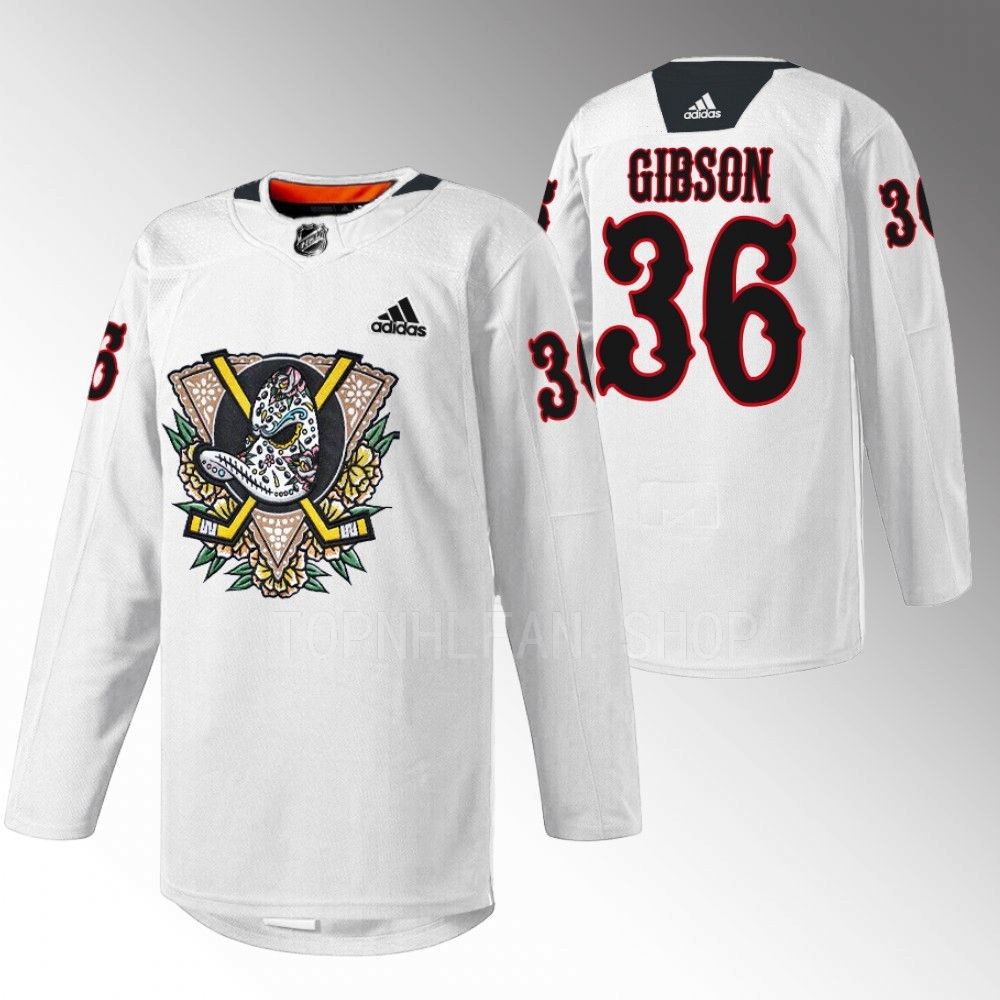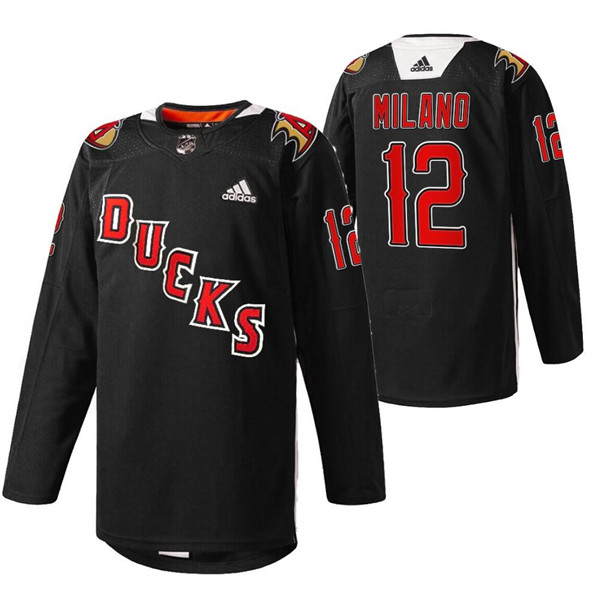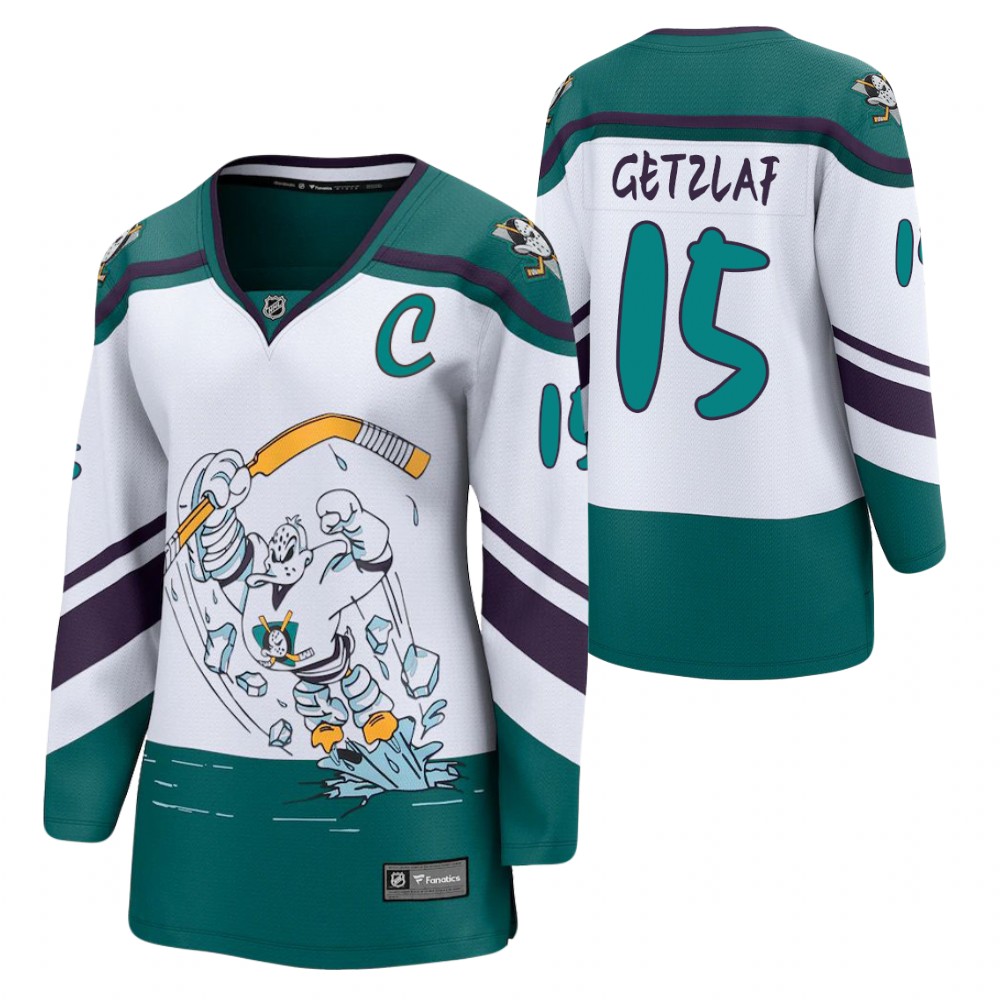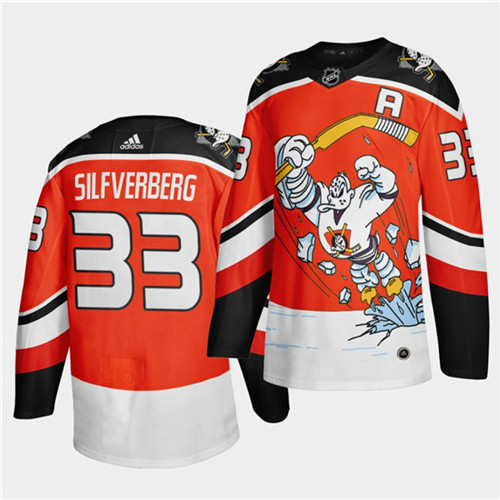
If you are sourcing custom made hockey jerseys bulk for a league, a team store, or a distributor catalog, the real cost is rarely the unit price. It is the mess of juggling four vendors who ship late, dye lots that do not match, and a roster that needs three sizes you cannot get. Split shipments double your freight, embroidery drifts from batch to batch, and dead-stock sizes never get filled once the season starts.
A single consolidation hub solves those problems. One purchase order, one quality standard, one freight bill, and one account manager who knows your reorder cadence. That is the operating model behind custom made hockey jerseys bulk at Jerseys Wholesale Hub, and it is why resellers who used to run five suppliers now run one.
Start with the shell. Competitive hockey jerseys are built on 100% breathable polyester mesh or a heavier air-knit weave, depending on whether the buyer wants a lighter retail feel or a rink-durable game-day body. Weight matters more than people admit: a 300 GSM heavyweight mesh holds shoulder shape through a full season of board battles, while a 180–220 GSM body is easier to move for youth programs and warm-weather roller leagues.
Construction is where cheap suppliers expose themselves. Look for double-stitched Tackle Twill numbers with a tight zigzag border, not single-pass flat stitching that frays after eight washes. A proper twill layer sits flat, edges cleanly, and does not pucker when the crest flexes. On the inside, a soft interior backing covers the stitch field so players are not scratched by thread ends at the shoulder blades.
Collar and shoulder work separate a $28 jersey from a $12 jersey. Reinforced collar bands keep the neckline from rolling after repeated pulls, and lace-neck or crew-neck options let you match a program's existing kit. Shoulder yokes should be cut on the bias so they follow the deltoid instead of bunching at the seam. On youth and goalie-cut patterns, the yoke overlap needs extra allowance — that is a spec detail most trading companies quietly skip.
- Shell: 100% breathable polyester mesh, 180–300 GSM options
- Numbers & letters: double-stitched Tackle Twill, 8–10 stitches per inch
- Interior: soft backing layer over embroidery fields
- Neck: reinforced collar band, lace-neck or crew-neck
- Sizing: youth S–XL, adult S–5XL, goalie cut, women's cut
- Customization: twill names, sleeve numbers, C/A patches, sponsor marks
Ordering a mixed size run is normal, not a special favor. Most programs need a 2:3:3:2 spread across medium through XL, plus a handful of smalls and a couple of 3XL for defensemen. A hub with standing inventory can pull that run the same day instead of quoting you a 45-day production window for eleven units.
Ask about the production method before you ask about the price. Fully sublimated bodies print the design into the fabric, which makes complex gradients and sponsor-heavy layouts cheap and fast. Stitched twill costs more per unit but reads as authentic on the ice and survives repeated laundering. Bulk hockey orders usually want twill on the crest and sublimation on the body panels — that hybrid keeps cost down and keeps the front of the jersey honest.
Quality control is a sampling exercise, not a promise. On any bulk run, pull a random ten percent and check four things: stitch density on the numbers, color match against the approved swatch under daylight, seam alignment at the side gusset, and collar elasticity. If one unit fails density, the batch fails. Document it with photos and batch numbers so the next run has a paper trail.
Weight, weave, and stitch count all affect how the jersey performs over a season. Heavyweight mesh resists snags from sticks and boards but runs warmer. Lighter mesh breathes better for three-period play, though it can pill faster if the buyer is careless with a dryer. Neither is wrong — the mistake is ordering the light body for a contact league because it saved a dollar a unit.
Fading is the complaint we hear most from teams two seasons in. Ultraviolet exposure and hot-water washing break down polyester dye, and chlorine in rink-adjacent laundry rooms accelerates it. Wash cold, inside out, with a mild detergent and no fabric softener. Skip the dryer entirely; hang to dry in shade. If a jersey must be pressed, keep the iron on low over a cotton cloth and never touch the twill directly, or the adhesive carrier will lift and the number edges will curl.
Freight consolidation is the quiet margin lever. Five separate suppliers mean five cartons, five tracking numbers, five chances for a customs delay. One hub means one manifest and one landed cost per unit you can actually calculate. For distributors running multi-state routes, that difference usually shows up as two to four points of gross margin before a single jersey sells.
Tiered pricing should be transparent, not negotiated in the dark. Standard wholesale breaks typically sit at 25, 50, 100, and 250 units per style, with per-unit pricing stepping down at each tier. Mixed styles can often combine toward a tier if the colorway family shares trim and twill. Ask your account manager which SKUs bundle together — most buyers leave money on the table by ordering style-by-style instead of building one combined buy.
Low minimums matter for testing. If you are adding hockey to a catalog that already carries football and basketball, you do not want to commit 300 pieces to a pattern you have not sold. Starting at a low MOQ lets you validate size curves, colorways, and regional demand before you scale into a full container-tier order.
Reorders are where a hub proves itself. A stitched jersey that is out of stock in March is worth nothing to a team that needs it in April. Standing inventory on core colors, plus the ability to run small custom batches on top of stock, keeps your catalog complete through the season instead of empty in the fourth quarter.
Lead times should be quoted in two numbers, not one. In-stock blanks with applied twill usually move in 3–5 business days. Full custom production from scratch is closer to 10–15 business days plus transit. Blend both — pull stock for the base sizes, run custom for the specialty cuts — and you protect the delivery date your league actually cares about.
Do the landed-cost math before you sign anything. Unit price plus freight plus duty plus the labor hours you spend chasing three vendors is the real number. Buyers who switch to consolidated sourcing usually find their effective cost drops even when the quoted unit price looks similar, because the hidden admin and freight line items disappear.
- Cold wash, inside out — preserves twill adhesive and dye
- No fabric softener — it coats mesh fibers and dulls color
- Air dry in shade — heat and sun are the two fading drivers
- Iron low, cloth barrier — never press directly on stitched numbers
- Store folded, not hung — hangers stretch the shoulder yoke over months
For distributors, the value is catalog breadth under one account. Football, baseball, basketball, and hockey can ship on a combined manifest with one payment term and one return policy. That is not a convenience feature — it is what lets a small regional distributor quote national-account pricing without carrying national-account overhead.
Ask for the spec sheet before the quote. A supplier who cannot tell you the GSM, the stitch-per-inch count, the twill layer thickness, and the collar construction is guessing at your order. A hub that publishes those numbers run after run is the one worth reordering from.
Frequently asked questions
What is the minimum order for custom hockey jerseys?
Low-MOQ programs typically start well below the 25-unit tier, which lets you test a pattern or fill a single team's roster before committing to a full production run. Combined styles can push you into a better price break faster.
Should I choose stitched twill or sublimated numbers?
Stitched Tackle Twill for crests and numbers on any jersey worn in contact play, sublimation for body panels and sponsor-heavy layouts. The hybrid keeps the authentic look where it counts and controls cost everywhere else.
How long does bulk fulfillment take?
In-stock blanks with applied twill ship in roughly 3–5 business days. Full custom builds run about 10–15 business days plus transit. Confirm both numbers in writing so your season timeline is protected.
Can sizes be mixed within one bulk order?
Yes. Youth through adult 5XL, goalie cut, and women's cut can be combined, though very uneven distributions may affect tier pricing. Send your size curve with the initial inquiry and the hub can quote against it directly.
If you are ready to stop chasing vendors, review the full Jerseys Wholesale Hub warehouse catalog, compare tier pricing across all four major sports, and lock in a low-MOQ stock order with fast dispatch. One hub, one manifest, one margin number you can defend to your own buyers.