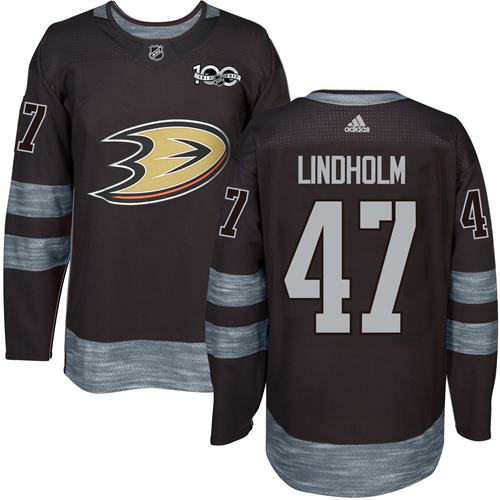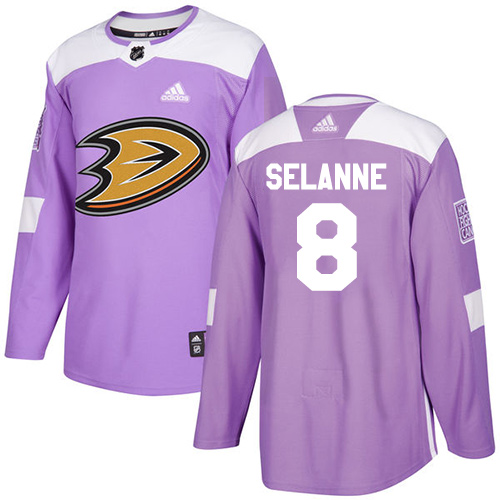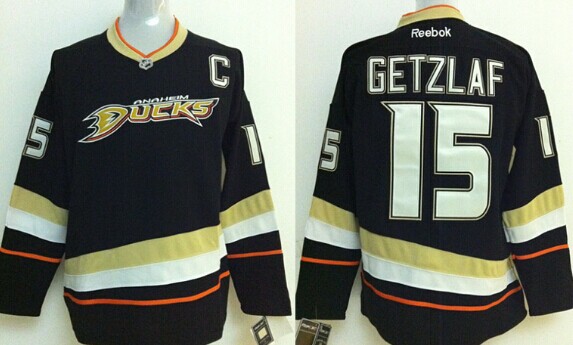
Custom made hockey jerseys bulk orders fail for predictable reasons: mesh weight drifts between production runs, twill numbers pucker after a dozen washes, and three sizes go missing right when your league deadline hits. We build every custom made hockey jerseys bulk program at Jerseys Wholesale Hub around one rule — the tenth restock has to match the first one, stitch for stitch.
Most buyers we work with are running four or five factories at once. One shop handles the cresting, another handles blanks, a third does the name bars. Freight gets split into three cartons, arrival dates spread across five weeks, and the red on your sleeve trim comes back two shades off from the red on the shoulder yoke. Nobody notices until the boxes are already at the rink.
The cost of that fragmentation is rarely the unit price. It's the admin hours, the re-ship charges, the replacement jerseys you eat at retail because a size run broke, and the reputation hit when a team manager opens a box and finds mismatched colors.
A single hub PO fixes the structural problem. One purchase order, one consolidated carton schedule, one QC report with photos, one invoice. If a size is short, it gets pulled from live stock in the same building instead of triggering a new production queue overseas.
Fabric is where most wholesale programs get vague, so here's the spec we hold on NHL-style builds:
- 100% breathable polyester mesh body, 265–300 GSM depending on the model line
- Birdseye mesh knit with a mechanical wicking finish, not a topical spray that washes out
- Colorfastness tested to 4+ on the grey scale after five home launderings
- Shrinkage controlled under 3% on the body length after three cycles
- Shoulder yokes in double-layer poly dazzle or tackle twill for contrast builds
Why the weight range matters: 265 GSM drapes and moves like a retail replica, while 300 GSM reads as a pro-weight garment on the hanger and survives a full contact season. If you're selling to rec leagues, go 265. If you're selling to teams that want the pro look, go 300 and say so on the listing.
Decoration is the second half of the quality equation. Our numbers and letters are cut from double-stitched Tackle Twill at roughly 3.0 mm thickness, then sewn at 8–10 stitches per inch with a zig-zag lock at the corners. That corner stitch is the difference between a twill number that lifts in month two and one that stays flat for the life of the jersey.
Every embroidered or twill-decorated panel gets a soft interior backing. You won't feel it from the outside, but it stops the stitch tails and adhesive residue from scratching a player's ribs through a base layer. Skimp here and you'll hear about it from every team parent who ever got a rash.
Neck construction gets the same treatment. Reinforced collar bands hold their shape through repeated pull-over, and the lace-neck models use a real drawcord with metal-tipped aglets, not a printed-on lace graphic. Shoulder seams are taped, hems are two-needle finished, and the side vents are bar-tacked so they don't split when a defenseman grabs a fistful of fabric.
Fight straps are standard on our pro-cut line and optional on the replica cut. If you're selling into a market that expects them, order them at the blank stage — retrofitting a fight strap after the fact costs more than the strap itself.
Now the decision most buyers get wrong: stitched or sublimated. Both belong in your catalog, but they solve different problems.
- Tackle Twill stitched — best for traditional team identities, pro-look retail, and any program where the buyer inspects the back of the number
- Dye sublimation — best for full-print designs, gradient patterns, high-color crests, and large rosters where per-unit decoration cost matters
- Hybrid builds — sublimated body with stitched twill crest, the sweet spot for mid-tier retail price points
Sizing trips up more resellers than fabric does. Hockey jerseys are cut to layer over pads, so an adult medium is not a football medium. A practical rule set for your size chart:
- Youth S–L — ages 6–12, chest 26"–32", cut short in the body for non-padded wear
- Adult S–M — chest 36"–42", true to a street tee plus one size
- Adult L–XL — chest 44"–50", the volume sellers in most rec league programs
- Adult 2XL–4XL — order at 12–15% of the run, not 5%; big-man sizes sell out first
- Goal cut — wider body, shorter sleeve, wider cuff opening for a blocker glove
Stock depth is what separates a hub from a factory. Factories make what you order. A hub already has the blanks on the floor, which is why a 24-piece restock on a Tuesday can ship the same week while your competitor waits six weeks for a production slot. That restock speed is the reason league managers keep a standing account rather than shopping per season.
Pricing runs on a ladder, not a single quote. Typical break points sit at 24, 72, 144, and 288 pieces, with the per-unit landed cost dropping at each tier. Ask for the full ladder before you place the first order — the gap between the 72 and 144 tier is usually big enough to justify combining two team orders into one purchase.
Quality control on a bulk run is a sampling exercise, not a vibe check. Our standard inspection points:
- AQL 2.5 on major defects, AQL 4.0 on minor, sampled across every size in the run
- Placement tolerance of ±1/4" on chest crests and ±3/8" on back numbers
- Stitch density verified on the first, middle, and last piece of each size
- Color match checked against the approved swatch under D65 lighting, not shop fluorescents
- Measurement audit on chest width, body length, and sleeve from a flat-laid sample
Ask any supplier for their inspection report format before you wire a deposit. A supplier who can't show you a sampling plan doesn't have one.
Care instructions protect your sell-through. Print them on the hangtag, not just the listing. Cold wash inside out, mild detergent, no fabric softener (it coats the wicking finish), no chlorine bleach, hang dry or tumble low. Never iron directly on twill or a printed crest — press from the inside with a cloth barrier on low heat, and keep the iron off the mesh entirely because polyester mesh scorches at a lower temperature than cotton.
Freight planning matters as much as production. Ask for carton dimensions and piece-per-carton counts before you commit, because dimensional weight on oversized cartons can quietly erase a margin tier. Consolidated shipments from one hub also let you mix sports in a single container load — hockey in one carton range, football and baseball in another — instead of paying three separate freight minimums.
For custom programs, the workflow is straightforward. Send a roster spreadsheet with name, number, and size columns, plus vector crest files at 300 DPI or higher. Confirm Pantone references for every color in the design, approve a physical or photographed pre-production sample, then release the run. Skipping the sample approval to save ten days is the most expensive shortcut in this business.
Run the margin math before you fall in love with a design. Landed cost per unit times your break-even volume, versus realistic sell-through at your tier. A jersey that costs $18 landed and sells at $55 wholesale leaves room for a markdown and still profits; a $34 landed jersey at $60 wholesale has no cushion when a size run stalls. Hub stock lets you test a design at 24 pieces before you commit to 288.
What is the minimum order for custom hockey jerseys in bulk? Blank, stock-decorated styles start at 24 pieces per design. Full custom builds with your own crest and roster start at 36 pieces, because that's the point where setup cost per unit drops to a sane number.
Can you match a specific team color? Yes, against a Pantone reference or a physical swatch you mail in. Approve the color on an actual mesh swatch, not on a screen — mesh reads lighter than flat fabric because of the open knit.
How long does a bulk order take? Stock styles with standard decoration ship in days. Full custom production plus transit typically runs four to six weeks depending on decoration method and destination port.
Stitched or sublimated for a youth league? Sublimated for full-print designs and large rosters on a tight budget. Stitched Tackle Twill if the league wants a traditional pro look and the jerseys will be handed down between age groups.
If you're rebuilding a fragmented supplier list into one program, start with the specs above and hold every vendor to them. Then browse the full custom made hockey jerseys bulk catalog to see live stock, tier pricing, and restock timelines. The Jerseys Wholesale Hub warehouse carries hockey, football, baseball, and basketball under one roof, with low MOQ entry, tiered wholesale pricing that rewards volume, and fast dispatch on in-stock blanks so your team managers get their jerseys before the season starts — not three weeks into it.