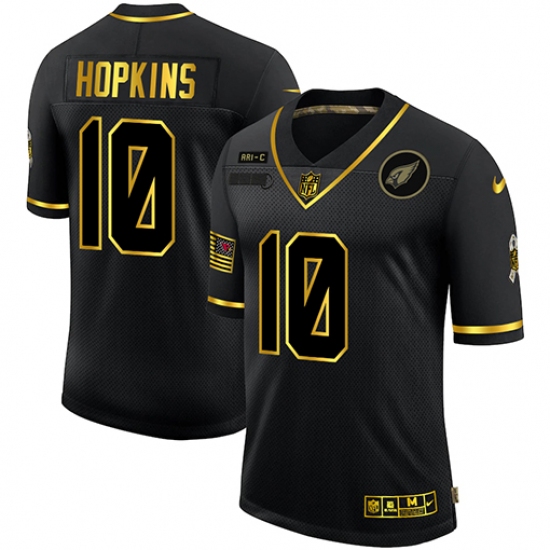
If you are sourcing for a league, a pro shop, or a reseller catalog, knowing the best fabric for hockey jerseys decides whether your customers come back next season. The wrong spec shows up fast — pilling under the shoulder pads, numbers peeling after ten washes, collars that stretch into a wavy mess. Buyers who source from scattered vendors deal with worse: five purchase orders, five freight bills, five color lots that never match. Consolidating into one hub with verified stock fixes most of that before it starts.
Fabric weight is the first number to check. Replica-tier jerseys sit around 180 to 220 GSM and feel light in the hand. Pro-weight air-knit runs 300 GSM and up, with a tighter knit structure that resists snags from skate blades and stick tape.
Squeeze the fabric and release it. Genuine heavyweight knit springs back into shape within a second or two. Cheap spun polyester stays creased, and that crease line is exactly where the material tears after a month of contact drills.
For practice sets and warm-weather rinks, 100% breathable polyester mesh is the better call. The open mesh channels move air over shoulder pads, which matters when a player is on the ice for a 90-second shift in a building running at 60°F.
Look at the mesh from the inside against a light source. Real performance mesh has a consistent pore pattern with no thin patches or slub lines. Inconsistent pores mean the mill ran the yarn unevenly, and those weak spots blow out under repeated washing.
Numbers and lettering separate a durable jersey from a disposable one. Double-stitched Tackle Twill numbers — two distinct stitch passes around the perimeter — hold their edge through industrial laundering cycles. Single-stitch twill lifts at the corners after roughly 15 to 20 washes.
Check the thread count on the twill border. A tight, even stitch line at 8 to 10 stitches per inch is the target. Sparse stitching at 5 per inch leaves the number loose enough to catch a fingernail, and once one corner lifts, the whole panel follows.
Ask about the interior. A soft interior backing over the embroidery keeps stitch threads off bare skin, which is the difference between a jersey an athlete wears all season and one he refuses to put on twice.
Collar construction gets ignored until it fails. Reinforced collar bands with a stabilized inner tape keep the v-neck from curling after repeated stretch. Unsupported collars go slack within six wears, and the jersey looks used even when it is new.
- Z-bar tacks at shoulder seams, elbow points, and the fight strap anchor — high-stress spots that fail first
- Double-needle hem at the bottom and sleeve openings, no raw edges
- Reinforced shoulder yoke so the jersey does not sag across the back
- Colorfast dye lots verified against a Pantone chip before bulk shipment
- Lycra-blend or ribbed knit collar for stretch recovery, not basic flat knit
Sublimated versus stitched is a budget and use-case decision. Fully sublimated panels cost less per unit and never lose a number, but the graphics sit in the fiber and cannot be replaced. Stitched or embroidered twill costs more and delivers the raised, pro-look finish that buyers pay a premium for at retail.
Mixed orders work well: sublimated body panels for the team color blocks, stitched twill crest and numbers on top. That combination cuts unit cost while keeping the premium visual that sells in a pro shop.
Sizing deserves its own conversation. Hockey jerseys are cut to layer over shoulder pads, so a player wearing a size 52 suit jacket typically wears a 54 or 56 jersey. Youth sizes follow the same oversized logic. If your catalog carries three team accounts, stock the full run from youth small through 3XL rather than forcing split-size reorders.
Bulk color matching is where multi-vendor sourcing breaks down. A navy shoulder yoke from one supplier and a navy body from another rarely read as the same navy under arena lighting. Single-source stock from one dye lot keeps a two-tone jersey looking intentional instead of mismatched.
When you audit a bulk shipment, run an AQL spot check instead of opening every carton. Pull 10 percent of units, then test four things: seam pull at the shoulder, stitch density on the front number, colorfast rub on a damp white cloth, and collar memory after a 30-second stretch. Fail any of the four on more than two units and reject the lot.
Ask for the pre-shipment sample from the actual production run, not a pre-production mock-up. Mocks are stitched by hand in a sample room. Production units come off the line, and that is the quality your resellers will see.
Freight math matters as much as unit price. Splitting one 2,000-piece order across four vendors creates four customs entries, four freight invoices, and four delivery windows. One consolidated shipment from a single hub typically cuts landed cost by a measurable margin before you even touch the tiered pricing.
That is where hub-based sourcing pays off. Central stock, one pick-and-pack, one tracking number, and a tiered price break that improves as volume climbs. Review the full best fabric for hockey jerseys options grouped by weight, collar type, and numbering method so you can match a spec sheet to a specific team account in minutes instead of weeks.
Lead times are the other half of the equation. Custom stitched team orders need production plus decoration plus transit, so build in a buffer for the pre-season rush. In-stock blank programs ship faster and let you fill gaps while a custom run is in the works.
Build a core stock list around the sizes and colors that move. Hold two to four blank colors in depth, add cresting per order. That structure protects cash flow and still lets you promise a three-week turnaround on a full custom set.
Care instructions protect the investment and reduce returns. Pass these to your end customers with every order.
- Wash cold, inside out, on a gentle cycle — heat is what kills twill adhesive
- Skip fabric softener; it coats the mesh and traps odor
- Hang dry, or tumble on the lowest setting for no more than 10 minutes
- Never iron directly on a stitched number; press from the inside with low heat and a cloth barrier
- Keep jerseys out of direct sunlight for long storage to slow dye fade
Number peeling is almost always a laundering problem, not a manufacturing one. If a buyer reports lifting corners, ask how the jersey was washed before you issue a credit. Nine times out of ten, a hot dryer did the damage.
For embroidered crests, spot clean with a soft brush and mild detergent rather than machine washing the whole jersey. The embroidery itself holds up for years; it is the surrounding fabric that wears from friction.
One more bulk tip: request the carton pack breakdown before you commit. Knowing pieces per carton, carton dimensions, and carton weight lets you calculate warehouse space and inbound handling before the shipment lands, not after.
Stock rotation keeps aged inventory from becoming dead inventory. Move older dye lots first, and keep your core blanks at the front of the rack. A six-month-old jersey that has been sitting under UV light will not match a fresh run, and that mismatch costs you a reseller.
Frequently Asked Questions
What GSM should I order for a pro-weight hockey jersey?
Look for 300 GSM or higher in air-knit polyester. Anything under 220 GSM reads as replica weight and will not hold up to contact play or repeated industrial laundering.
Are stitched numbers worth the extra cost over sublimation?
For retail resale and team programs, yes. Double-stitched Tackle Twill delivers a raised, premium finish that supports a higher price point. Sublimation is the smarter pick for practice sets and high-volume youth leagues where graphics never need replacing.
How many blank colors should a reseller keep in stock?
Two to four core colors in depth, plus one or two accents. Keep blanks on hand and add cresting per order so you are not tying up capital in decorated inventory that may not sell.
How do I check quality on a bulk order without opening every carton?
Run a 10 percent AQL pull and test shoulder seam strength, stitch density, colorfast rub, and collar memory. Reject the lot if more than two sampled units fail any single test.
Ready to lock in a single source for your team accounts and reseller catalog? Head to Jerseys Wholesale Hub to browse live warehouse stock, compare weight and construction tiers side by side, and see the tiered price breaks that improve as your volume grows. Low minimums, consolidated shipping, and fast bulk dispatch mean you can fill gaps now and scale a full custom program without juggling five vendors or five freight bills.