Ordering custom NFL jerseys with logo for a full roster usually exposes the same three problems: quotes that shift after deposit, embroidery depth that varies between colorways, and delivery windows that slide by weeks. Resellers, league managers, and distributor buyers need one hub that stocks blanks, runs Tackle Twill in-house, and ships on a locked schedule.
Most buyers start out juggling three or four vendors. One supplies the mesh bodies, another handles number stitching, a third sources name plates and patches. Every extra supplier adds freight cost, customs paperwork, and a quality gap where the collar weave doesn't match the sleeve panel. Consolidating at one NFL hub with in-house production closes those gaps.
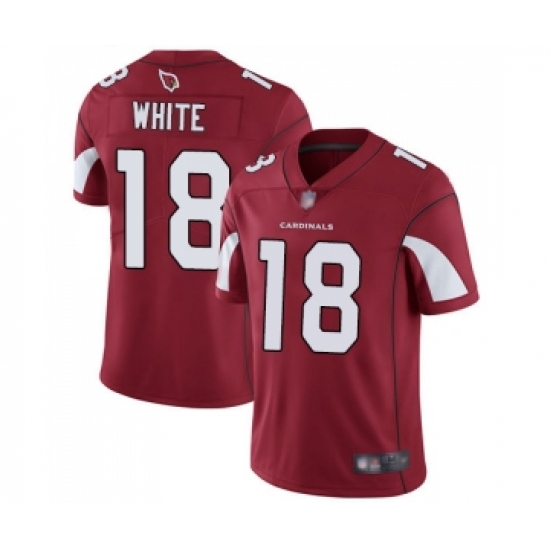
Fabric spec: the body is built from 100% breathable polyester mesh at 300 GSM. That weight matters. Lighter 180–220 GSM mesh feels flimsy on a hanger, curls at the hem after two washes, and every number stitch line telegraphs through the front panel. At 300 GSM the jersey holds a clean drape, keeps shoulder prints flat, and survives repeated bulk laundry cycles.
Mesh gauge also controls airflow. A tighter knit—roughly 220–260 holes per square inch—moves heat out fast while resisting snags from shoulder pads and equipment straps. The hub stocks both a standard 12 oz weave and a lighter 10 oz summer cut for teams playing outdoor games in Florida, Texas, and Arizona markets.
Stitching on numbers and letters: all primary digits and four-inch-plus name plates use double-stitched Tackle Twill. That means two full thread passes around each perimeter, not the single-pass zigzag you see on cheap imports. The result is a number that won't lift at the corners after a season. XS through 3XL runs get the same spec, because a bantam team shouldn't accept a lower stitch count than a pro shop client.
Inside the jersey, every embroidered patch carries a soft interior backing. Without that layer the twill threads chafe across the shoulder blade during gameplay, and buyers eat the returns. The hub applies a knit backing panel before the final stitch pass, which also keeps the number from peeling off in a commercial washer.
Collar construction gets equal attention. Reinforced collar bands use a double-rib knit with a hidden stabilizer strip sewn in. That stops the collar from stretching out after back-to-back games. Resellers who've worked with smaller shops know the failure mode: a wavy collar line that makes a $40 jersey look like a $12 one.
- Body fabric: 300 GSM, 100% breathable polyester mesh
- Numbers and names: Tackle Twill, double-stitched perimeter
- Interior: soft knit backing behind every embroidered patch
- Collar: reinforced double-rib band with stabilizer strip
- Size range: XS through 3XL, youth and adult cuts
Logo placement is where most custom orders go sideways. Buyers send vector art, the supplier scales it wrong, and the front crest sits 1.5 inches lower than spec. Before any bulk run, the hub produces one physical sample with the logo in position and photographs it against a measuring tape. That photo becomes the production reference for the entire lot.
For teams wanting a logo on both chest and sleeve, artwork needs to be separated into spot-color layers. A three-color logo means three stitching sequences, and each one adds cost. Experienced buyers group logos into 1–2 colors where possible to keep unit pricing down without losing legibility on camera or under stadium lights.
Now consider what you're actually paying for at a hub versus a middleman. When you order custom NFL jerseys with logo through the hub, blanks, embroidery, and finishing all sit under one roof. That removes two freight legs, two quality checkpoints, and 15–20 days of lead time compared to a drop-ship chain.
What buyers often miss is how much inventory fragmentation costs them. If a league needs 22 Ravens jerseys in navy and 18 Cardinals jerseys in red, a single-supplier model handles that in one production window. Split across two vendors, you pay two minimum-order surcharges and coordinate two delivery dates for what should have been one shipment.
QC on bulk orders should never be a spot-check of three units. The hub pulls a 10% sample from every 200-piece lot and verifies four things: stitch count on the primary number, collar band elasticity, logo alignment against the approved reference photo, and color match against the Pantone chip. Fails go back to the line, not to the buyer.
Size runs cause more reseller complaints than stitching ever does. A "large" from one factory measures 22 inches across the chest; from another it's 24. The hub publishes a fixed measurement chart and cuts to it, which lets resellers list sizes with confidence and cuts exchange rates. For youth leagues, the junior cut runs true to standard youth sizing rather than adult sizes shrunk down.
Care guidance matters more than most buyers expect, because a jersey that fades in three washes becomes a chargeback. Pass this to end customers:
- Machine-wash cold, inside out, gentle cycle
- Skip bleach and fabric softener—both break down mesh elasticity
- Tumble dry low or hang dry; high heat shrinks the weave
- Iron only on the reverse side, low heat, never directly on twill
- Store away from direct sunlight to slow color fade
Timelines run on a simple rule: stock colorways ship in 3–5 business days, custom logo runs need 10–14 days after artwork approval. The bottleneck is always artwork sign-off, not production. Buyers who submit vector files in AI or EPS format on day one consistently ship three to four days ahead of buyers who send JPEGs and wait for redraws.
For resellers building repeat business, the real value sits in the tier structure. Order volume drives unit price down across bracket lines, and the hub protects the margin floor so distributors aren't undercut by their own supplier on Amazon or eBay. That's a structural advantage a small factory can't match, because it doesn't control enough stock to protect channel pricing.
Everything from a single team order to a 5,000-piece seasonal drop routes through the same warehouse floor, which matters when a colorway sells out faster than forecast. Instead of waiting six weeks for a reprint, the hub pulls from existing inventory and ships within the week. That flexibility is what keeps league managers coming back season after season rather than re-bidding every spring.
If you're comparing suppliers right now, ask two questions: how many QC checks per lot, and what percentage of last year's orders shipped on time. A hub with fixed specs will answer both with numbers. A trading company answers with adjectives.
How many jerseys do I need for the first custom order? Most custom logo runs open at 50 pieces per design. Resellers testing a new market often start there and scale after sell-through proves out.
Can I mix sizes and teams in one bulk order? Yes. A single production window can include multiple teams, colorways, and size breaks as long as artwork is approved upfront. League managers routinely order 10 teams' worth of jerseys in one shipment.
How do I know the stitching will hold? Request a wash test on the sample. A double-stitched Tackle Twill number should survive 25+ commercial wash cycles without corner lift. The hub documents that test on request.
What separates a hub from a regular supplier? Stock depth, in-house production, and fixed QC checks. A hub fills gaps from inventory mid-season; a trading company sends it offshore and waits.
Stop splitting orders across four vendors and hoping the colorways match. Browse the full NFL warehouse catalog at Jerseys Wholesale Hub, lock in tiered pricing, and get your logo run into production this week. Low minimums, fixed specs, and dispatch in days—not months.