The best fabric for NFL jerseys is a measurable spec, not a slogan — and bulk buyers feel the gap the moment a shipment lands short of it. Anyone sourcing the best fabric for NFL jerseys at volume already knows the real cost of thin mesh: returns, re-orders, and a resale margin that evaporates. The bigger headache is fragmentation. Three suppliers for mesh tanks, twill numbers, and youth sizes means three freight bills, three QC standards, and three excuses when a size run comes up short. A hub model fixes that by pulling every league from one floor under one spec sheet.
Fabric weight is the first filter. Retail-tier replicas usually land at 180 to 220 GSM — thin enough to go see-through under arena lighting and quick to go limp in the wash. 300 GSM heavyweight mesh is the working standard for anything sold as a game-day jersey: it drapes with structure, keeps shoulder seams flat, and survives repeated wash cycles without sagging at the hem.
Weight alone does not tell the whole story. Ask what the mesh is knit from. 100% breathable polyester mesh with a true open-hole pattern moves heat out and keeps twill from trapping moisture against the back panel. Blends cut with cotton feel softer on the hanger and pill after ten washes; fiber claims without a spec sheet are usually thin polyester with better copywriting.
Check the hole pattern against the light. Quality mesh runs an even, consistent perforation with no stretched or collapsed cells near the side seams — that distortion is where a cheap lot starts to tear. Press your palm flat on the inside face for five seconds. Good mesh releases dry; a slick, plasticky face will leave a wet print and it will trap heat on the field.
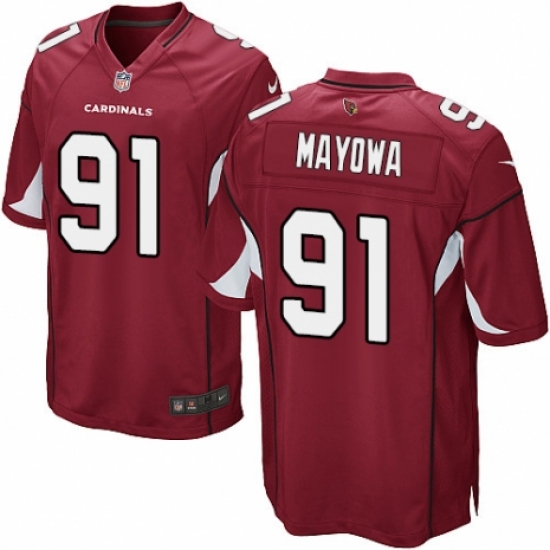
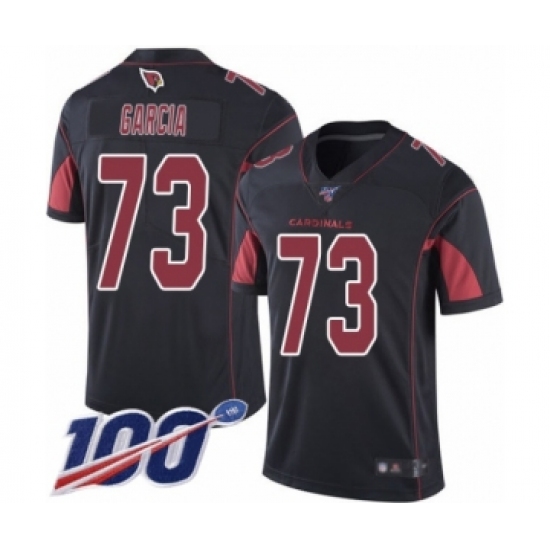
Then look at the numbers. Double-stitched Tackle Twill numbers with a layered underlayer are what separate wholesale-grade goods from a screen-printed lookalike. Two passes of stitching lock the twill edge down. A single row leaves a loose corner that lifts after a handful of washes and turns into a complaint you cannot bill back to anyone.
Stitch density matters as much as stitch count. Ask for 8 to 10 stitches per inch with a 40s/2 poly-core thread and a Z-pattern lock stitch at the corners and points. That detail is what keeps a number flat through 30 industrial wash cycles — the kind of testing a league account actually runs before it reorders for a second season.
Interior finishing is the part samples hide best. Soft interior backing behind every twill number and nameplate stops stitch tails from scratching through a base layer. Skip it and you get the classic complaint: the jersey fits right, but the number feels like sandpaper on the shoulder blade after an hour of wear.
Collars get the same treatment. Reinforced collar bands with a ribbed knit insert and a double-needle top stitch hold their shape instead of rolling forward on the third wash. On heavier football and hockey weights, also check that the shoulder yoke is bar-tacked where the seam meets the sleeve — that junction takes every pull and every tackle.
Once the spec is locked, sourcing becomes a logistics problem. Best fabric for NFL jerseys is only half the decision — the other half is whether mesh tanks, twill kits, and youth runs all ship on one purchase order. A hub running NFL, MLB, NBA, and NHL from a single floor lets a buyer consolidate football mesh, baseball button-downs, basketball sleeveless cuts, and hockey sweaters into one freight bill, one QC report, and one arrival date.
Size runs are the quiet killer. Full S through 5XL plus youth sitting in stock means a distributor can fill a league order without splitting cases or paying special-order freight. If a supplier only carries S to XL, every extended or youth request becomes a six-week custom run that lands after the season opener.
Tiered pricing is where the margin actually gets built. Case-level quantity breaks, mixed-size cases counting toward the same tier, and a low MOQ entry point let a reseller test a new market at 30 units and scale to 300 without renegotiating terms. Ask for the entire price ladder before the first PO, not after the invoice clears.
Set a written QC standard before you accept any bulk shipment. A workable sampling plan for a 300-unit lot:
- Fabric weight: cut a 100 cm² swatch from three random units per lot and weigh it — anything under 285 GSM gets rejected.
- Stitch pull: tug each twill number corner at roughly 5 lb of force; no lifting, no frayed thread tails, no exposed backing.
- Colorfastness: three cold washes, then compare against the approved swatch in daylight — no more than a half-step shift.
- Size grading: measure chest, body length, and sleeve on 10% of the lot; anything more than half an inch off spec fails.
- Trims: jock tags, care labels, and collar ribbing verified on every sampled unit, not just the top of the carton.
That checklist doubles as the fastest way to audit a new supplier. Pull one jersey, weigh the fabric, tug a corner, read the care label. If the weight is unlisted, the twill lifts, and the label omits fiber content, the rest of the lot will follow the same pattern. One sample tells you more than a spec sheet ever will.
On fit, quote real numbers instead of "true to size." A standard fan-cut jersey runs about 2 inches of ease over chest measurement, so a 42-inch chest sits comfortably in a size L and an XL for a looser layer over pads. Youth sizing maps to chest circumference, not age — a youth XL lands around a 30 to 32 inch chest, roughly 26 inches body length.
Ship care instructions with the invoice; it cuts returns more than any discount. Cold wash inside out, no fabric softener, no dryer sheets on twill, hang dry in shade. When an iron is unavoidable, press on the reverse at low heat with a cotton cloth between the plate and the mesh — never directly on the twill, which will glaze and shine.
Dispatch speed closes the loop. A hub holding real depth on core sizes can pull and ship a mixed-league order in days, not weeks, which is what a league manager needs when a season date is already locked. Depth of stock, not catalog size, is the promise that gets honored.
What GSM counts as a quality NFL jersey? 300 GSM heavyweight mesh for game-style and retail-authentic tiers; 180 to 220 GSM is replica territory. Under 180 GSM the panel goes translucent and the hem loses shape fast.
Is double-stitched twill worth the cost difference? Yes. Single-stitched twill typically fails at the corners within 10 to 15 washes, which means returns at your expense. The upcharge per unit is usually a fraction of one returned jersey.
How large should a first bulk order be? Start with one mixed-size case per style, then scale the winning styles. That keeps cash flow clean, proves the size curve with real sell-through data, and still counts toward the volume tier at most hubs.
How do I stop twill numbers from cracking? Heat is the enemy. Cold wash inside out, hang dry, and never press an iron directly onto the twill face. Cracking almost always traces back to dryer heat or a hot iron, not the stitching.
Buyers who want the full spec — mesh weight, twill layering, collar construction, and size depth by league — can review the entire catalog at Jerseys Wholesale Hub and compare tiered pricing across all four leagues. One warehouse, low MOQ entry, mixed-size cases, and fast bulk dispatch mean a distributor can lock stock for a full season in a single order. Start with a sample case, run the QC checklist, and scale once the numbers hold.