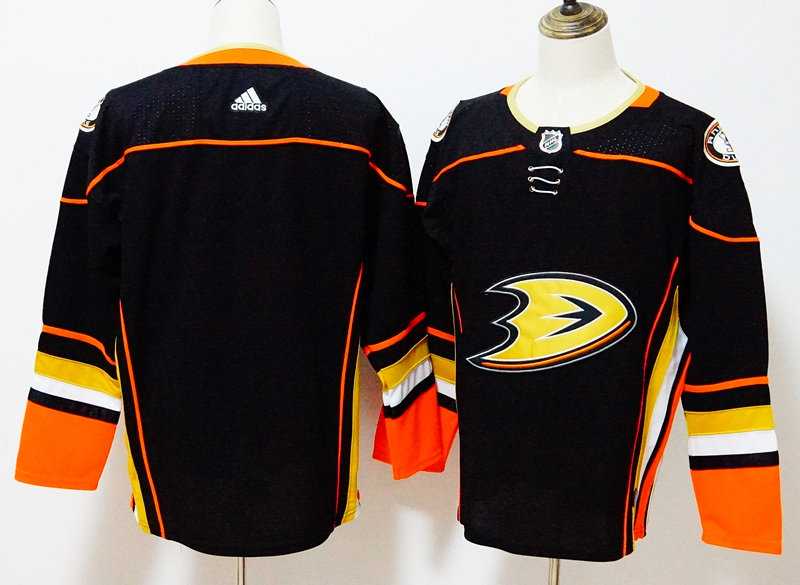
Bulk sublimated hockey jerseys are the fastest route to a complete size run with color that matches across every single piece — and that is precisely the inventory our hub keeps on the floor. If you are currently splitting one league order across three or four vendors, you already know the real invoice: separate freight charges, mismatched dye lots, one supplier short on XXL, and a purchase order that never fully closes.
Hub consolidation solves that. One warehouse, one freight bill, one quality standard applied to every jersey in the carton. Resellers building a hockey category, league managers ordering game and practice sets, and distributors servicing regional accounts all run into the same wall — the supply chain is too long, and the margin disappears in the gaps.
Sublimation and Tackle Twill are not competing methods. They solve different problems, and a competent hub stocks both. Sublimated graphics are dyed into the fabric itself, so a four-color crest, gradient shoulder stripe, or full-chest sponsor mark will not peel, crack, or lift after fifty wash cycles. Tackle Twill is the traditional build: separate fabric layers cut, layered, and stitched onto the shell for a raised, physical look.
For volume team orders, sublimation wins on cost per unit and consistency. A 500-piece run comes out color-identical because there is no thread dye lot drifting between production batches. That matters in February when a league reorders two extra sets and the new jerseys have to sit next to the originals without looking like a different product.
Fabric weight is where budget suppliers quietly cut. Our hockey shells run 250 to 300 GSM, with 300 GSM heavyweight mesh available for programs that want a stiffer, more traditional hang and better structure through the shoulders. If a listing quotes a price without a gram weight, ask for the number before you send a deposit. It is usually the reason the quote looks too good.
Construction is what separates a two-season jersey from a five-season jersey. Standard specs across our hockey lines:
- 100% breathable polyester mesh shell that moves air under shoulder pads and does not trap odor the way cotton blends do.
- Double-stitched Tackle Twill numbers on traditional builds, with tight zigzag bar tacks at every stress point.
- Soft interior backing behind every stitched number so nothing scratches through a base layer during play.
- Reinforced collar bands that hold their shape after repeated pulling over a helmet cage and shoulder pads.
- Flatlock seam construction on sublimated body panels to prevent edge curl and thread fray.
- Double-layer shoulder yokes for programs that want the heavier, pro-style silhouette.
Every bulk lot clears an AQL 2.5 inspection before it leaves the dock. That is not a slogan — it is a checklist your receiving team can replicate on arrival:
- Weigh one shell on a fabric scale to confirm GSM against the spec sheet.
- Measure chest width and body length flat, then compare to the approved size chart.
- Check number and crest placement symmetry within 3mm on both sides.
- Run a three-cycle wash test on a sample piece for color bleed and shrinkage under 3%.
- Pull-test collar bands and hem stitching by hand for any loose bar tacks.
If you are sourcing bulk sublimated hockey jerseys for multiple teams in one league, size distribution is the deadline killer. A 200-piece order split across six teams needs six different size curves, and most vendors cannot fill the tail sizes without a second production run. Hub stock lets you pull S through 3XL from the same warehouse on the same purchase order.
Understand one limitation before you commit: sublimated sizing cannot be altered after production. Printed panels are cut to final dimensions, so a mis-sized order is a dead order. Lock your size chart, get signed approval from the team manager, and treat that approval as final.
Traditional stitched hockey jerseys carry more flexibility. A Tackle Twill number can be stripped and re-sewn if a program changes a roster number, though it is not a cheap fix. For programs that change rosters often, keep the shell design neutral and order numbers in the smallest viable batch.
Fit runs generous by design. Adult hockey jerseys are cut to layer over pads, so a player who wears a large t-shirt typically takes a large jersey, and a goalkeeper or a player who wants a loose over-the-pads look should size up once. Youth sizing runs closer to standard apparel, so pull a physical sample before placing a 300-piece youth order.
Pricing structure at a hub works on tiers, not negotiation games. Typical breakpoints sit at 50, 100, 250, 500, and 1,000 pieces, with the per-unit cost dropping at each step. Distributors should map their landed cost against the tier they can realistically commit to — a 250-piece order at a mid-tier price usually beats a 100-piece order at a premium price even after you carry the extra inventory for a season.
Custom work has a defined sequence, and skipping steps costs weeks. Send artwork, confirm PMS color codes, approve a digital mockup, then approve a physical pre-production sample. Only after that sample is signed does the bulk run start. Programs that skip the physical sample are the ones posting about color mismatch three months later.
Color matching deserves its own conversation. Sublimation prints in CMYK, so a Pantone reference is a target, not a guarantee. If your team color is a specific athletic navy, request a printed swatch on the actual shell fabric before approval. Screen color on a monitor is meaningless.
Turnaround times depend on whether you are pulling stock or building custom. In-stock hub inventory can be allocated and dispatched within 48 hours of cleared payment. Custom sublimated runs typically need 7 to 12 business days for production plus transit, and that clock starts the day the pre-production sample is approved, not the day you send artwork.
Packaging matters more than buyers expect. Every order ships folded, individually bagged, and labeled by size and team so your receiving staff is not opening 400 loose jerseys to sort them. If you are drop-shipping to individual customers, request poly-mailer packing and confirm the labeling format before the run starts.
Distributor margin protection comes down to two things: a consistent landed cost and a product that does not come back. Returns eat more profit than a 40-cent unit difference between vendors. Heavyweight mesh, double-stitched numbers, and reinforced collar bands reduce defect rates, and defect rates are what actually determine your season margin.
Care instructions should ship with every order. Pass these to your end customers:
- Wash inside out in cold water on a gentle cycle.
- Never bleach and never use fabric softener on polyester mesh.
- Do not iron directly over printed or stitched numbers — use a pressing cloth on low heat if needed.
- Hang dry. Tumble heat is the leading cause of number curling and print cracking.
- Keep jerseys out of direct sun during long-term storage to slow color fade.
Replenishment planning is where hubs beat one-off imports. Keep a rolling count of your top three selling teams and size breaks, and reorder before you are down to scattered singles. Single-piece gaps in a size run are what force buyers to place small emergency orders at retail pricing.
What is the minimum order for custom sublimated hockey jerseys? Standard custom runs start at 50 pieces per design, which keeps the per-unit cost reasonable while letting smaller programs and single-team buyers access factory pricing.
How long does bulk sublimated production take? Plan on 7 to 12 business days after pre-production sample approval, plus transit. In-stock hub pieces ship within 48 hours.
Can I mix sublimated and stitched jerseys in one order? Yes. Mixed orders ship consolidated on one freight invoice, which is one of the main reasons buyers move their full program to a single hub.
Are heavyweight mesh jerseys worth the extra cost? For programs playing a full season and washing jerseys weekly, yes. The heavier shell holds shape longer and the reinforced collar bands resist the stretching that breaks down lighter builds.
Stop paying for four freight invoices and four different quality standards. Shop the full Jerseys Wholesale Hub NHL catalog to check live stock, tiered wholesale pricing, and low minimum order thresholds across sublimated and stitched builds. Stock allocates on a first-cleared-payment basis during peak season, so confirm your size run and lock your tier early.