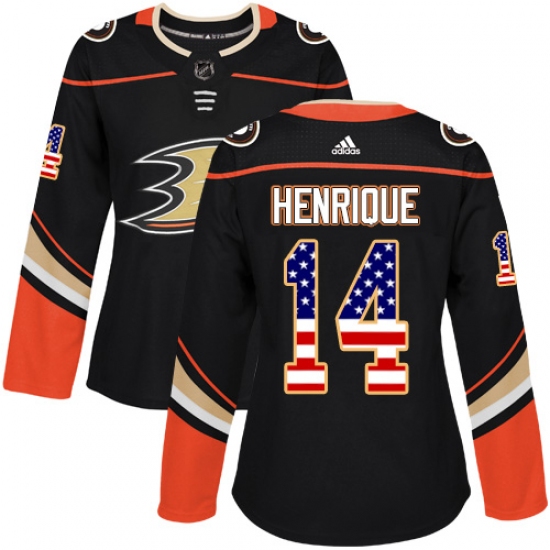
The best fabric for NFL jerseys is the single spec that decides whether a wholesale lot sells through in three weeks or sits in a warehouse until the next season. When you buy at container scale, textile weight, stitch density, and color fastness are not marketing language — they are your margin, your return rate, and your reorder cycle.
Most resellers get burned by the same inefficient setup: five vendors for five pieces of one program. Two ship mesh tops, one ships a lighter poly, another cannot fill the size run, and the last one sits on freight for three weeks. You end up paying consolidation fees that erase the discount you negotiated.
Consolidating through a hub changes the math. One purchase order, one carton sequence, one quality standard applied to every colorway in the drop. That is how experienced buyers protect both unit cost and delivery date.
So what actually separates a garment that survives 60 wash cycles from one that pills by week two? It starts with a 100% breathable polyester mesh knit in the 280–320 GSM range. Below 250 GSM, the jersey reads thin in hand, drapes flat on a hanger, and customers notice immediately.
Here is the weight breakdown buyers use when specing a program:
- 240–260 GSM — lightweight fashion cut, best for cheap giveaway tiers and youth sizing.
- 280–310 GSM — the standard game-weight body, holds shoulder structure, ideal for team and retail resale.
- 320–340 GSM — heavyweight mesh used on vintage and throwback builds, heavier drape, premium hand feel.
Mesh hole size matters as much as grams. An open, uniform perforation moves heat off the torso during play, but oversized holes distort when the fabric is stretched over shoulder pads. Suppliers who cut corners here produce a front panel that waves after a single wear.
Stitch work is the second filter. On quality bulk lots, numbers and letters are built as double-stitched Tackle Twill appliqué — layered fabric panels, not printed vinyl. The stitch count per inch and the evenness of the satin border tell you more about a factory than any spec sheet.
Flip the jersey inside out. You should see a soft interior backing behind every embroidered zone. Without it, the underside of the twill scratches the chest and shoulder, and that complaint lands on your customer service desk, not the factory's.
The neckline is the third checkpoint. Reinforced collar bands with a Z-stitch run prevent the dreaded collar roll that shows up after a few wears. Check that the ribbing recovers when you stretch it and that the shoulder seam sits flat with no puckering.
Side panels and hem finishing deserve a look too. A clean double-fold hem with consistent tension tells you the operator was not rushing a quota. Uneven hems on a bulk lot mean every single unit in that size run carries the same defect.
For buyers running incoming inspections, a practical sampling standard looks like this:
- Pull 3 units per size per colorway from the carton — not from the top layer only.
- Measure chest, body length, and shoulder against the graded spec sheet, allowing ±0.5 inch tolerance.
- Apply a tape test to one embroidered number to confirm the twill is stitched, not heat-bonded.
- Wet a scrap of mesh, rub it on white cotton, and check for dye transfer.
- Verify every size tag and hangtag matches the size printed on the garment.
Color consistency is where fragmented sourcing hurts most. Buy navy from three different mills and you get three navies under stadium lighting. Running one program through a single supply point keeps the dye lots aligned across home, away, and alternate builds.
That is the practical argument for routing your program through heavyweight mesh NFL jerseys held in one warehouse, where the same construction standard applies to every team, every size, and every restock.
Size grading trips up newer buyers more than fabric does. American league buyers expect a true athletic cut, and a run that skews a full size small will generate exchanges across the entire order.
- S–M moves fastest in youth and women's programs.
- L–XL carries the highest reorder velocity in adult team sets.
- 2XL–3XL should be ordered at roughly 15–20% of the run, never zero.
Order the extended sizes on the first buy. Restocking a single size later usually means a separate shipment and a shipping cost that wipes out the profit on those units entirely.
Then there is fading, which is the slow killer of repeat business. Mesh holds dye well when it is properly heat-set, and poorly when it is not. Advise your end customers to wash inside out in cold water and skip the dryer — heat is what breaks down polyester dye bonds over time.
Ironing comes up constantly. Press on low heat with a cloth barrier over the twill, never directly on the embroidery, and never on the printed or stitched number face. A direct hot iron will glaze the polyester and flatten the satin stitch permanently.
Storage matters for resellers holding seasonal inventory. Keep cartons off concrete floors, away from direct sunlight, and out of humid corners. Damp storage causes mildew spotting that no cleaning method fully reverses.
Plan your buy calendar around demand, not around factory convenience. Football programs peak hard and fast, and a lot that lands two weeks late is worth less than a lot that lands on time at a slightly higher unit cost.
Pricing structure should reward the buyer who commits volume. A tiered schedule with a low entry MOQ lets a new distributor test the water, then step into better per-unit pricing as their channel grows. That graduated model protects smaller accounts while still giving large buyers the rates they expect.
Margin protection works the same way. When one hub holds the inventory, resellers in the same territory are not undercutting each other with mismatched goods bought from random suppliers at random quality levels.
Quality control does not stop at the factory gate. A hub that pulls spot checks on every inbound lot catches the one carton with a misaligned number before it reaches your customer. Ask any supplier what their inbound inspection process looks like — the answer separates traders from operators.
Fabric, stitching, collar construction, and color control are the four specs that decide whether a bulk jersey program works. Everything else — packaging, hangtags, size stickers — is secondary to those fundamentals.
Q: What GSM should I order for retail resale?
280–310 GSM mesh is the safest range. It holds structure on the shelf, feels substantial in hand, and survives repeated washing without losing shape.
Q: How do I confirm a jersey is stitched rather than printed?
Turn it inside out. Stitched Tackle Twill shows layered fabric panels with visible thread and interior backing. Printed graphics show a flat film bonded to the mesh with no raised edge.
Q: What is a realistic MOQ for a first order?
Low entry thresholds exist specifically so you can test colorways and sizes before committing to a full program. Start with a mixed size run, measure sell-through, then scale the winners.
Q: How fast can restocks ship?
When stock is already sitting in the hub warehouse rather than waiting on a production queue, restock turnaround drops from weeks to days — which is the real advantage of buying from held inventory.
Stop juggling vendors and start buying from one stocked source. Review the full warehouse catalog at www.jerseyswholesalehub.com, confirm tiered wholesale pricing for your volume, and lock in a size run before peak demand drains the fast-moving sizes. Low entry MOQ, one quality standard, and rapid dispatch on in-stock inventory — that is what keeps a resale channel profitable all season.